Why Full Range of Motion Matters More Than You Think
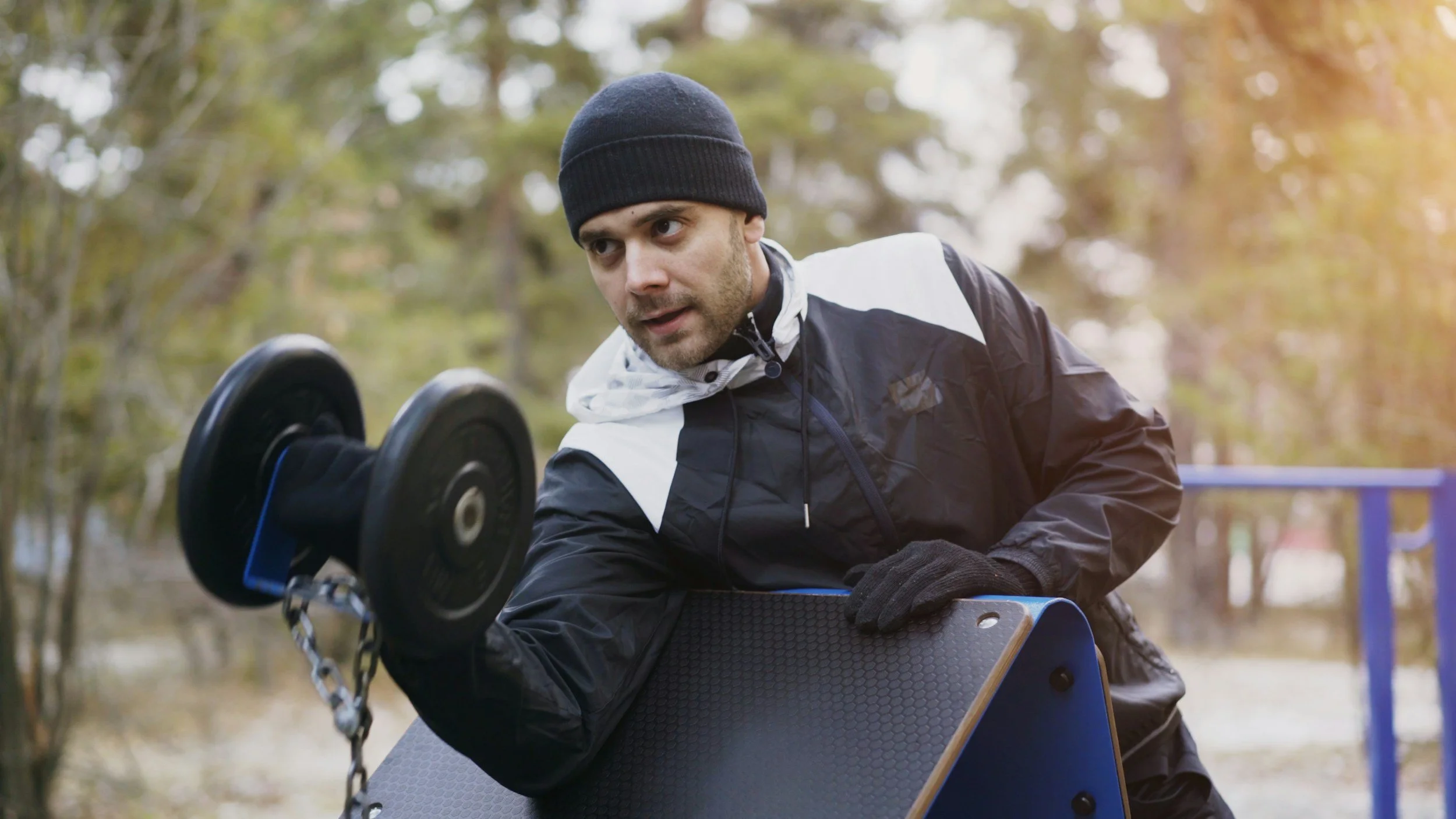
When it comes to strength training, most people focus on how much weight they’re lifting. While load is important, how you move that weight plays an equally significant role in building strength, preventing injury, and improving long-term performance. One of the most overlooked factors in effective training is something simple: range of motion.
What Is Full Range of Motion?
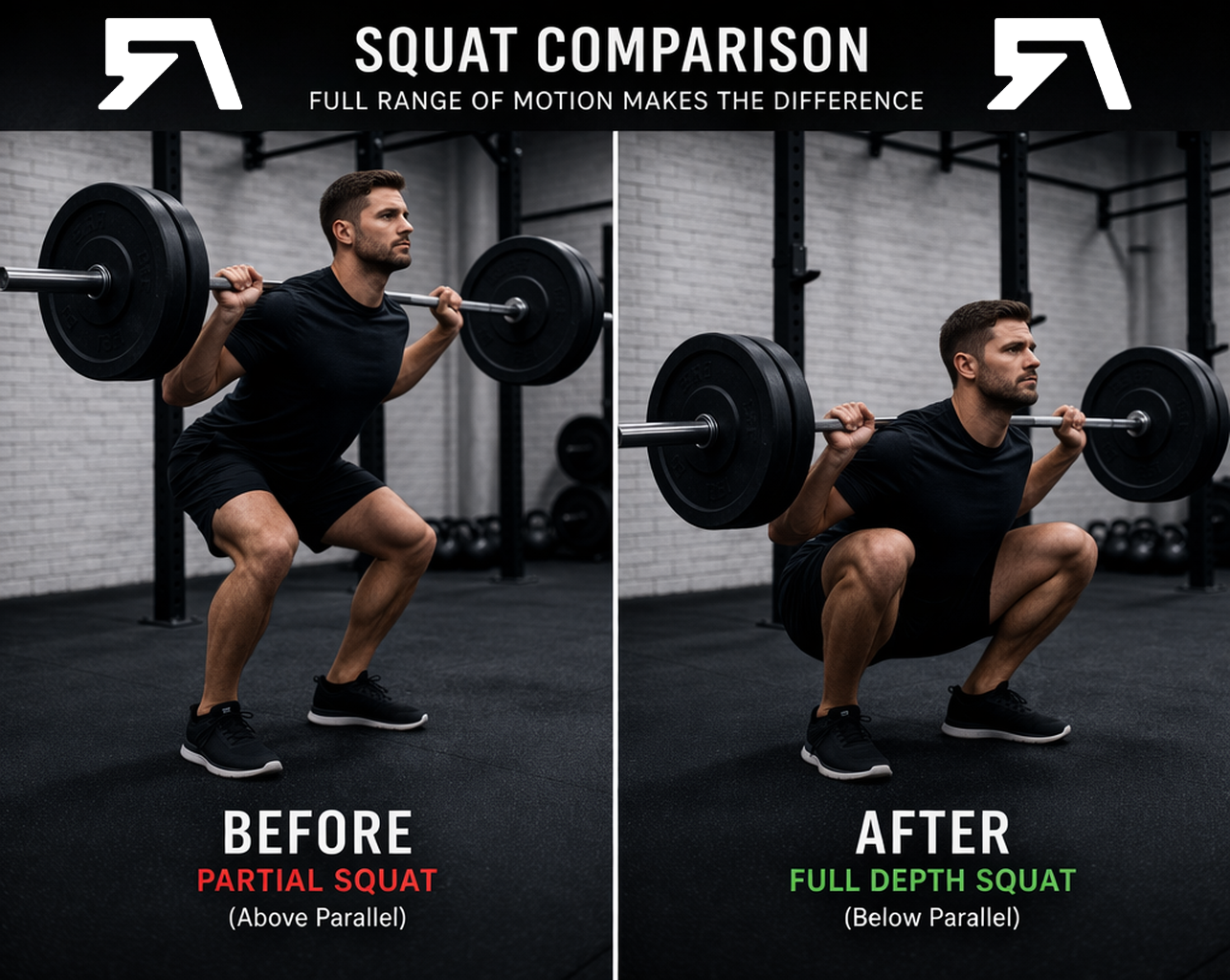
Full range of motion refers to moving a joint through the complete distance it is designed to travel while maintaining control throughout the movement. In practice, this might look like squatting to a depth that is appropriate for your body, lowering a bar or dumbbell fully during pressing movements, or bringing the barbell all the way to the floor during a deadlift.
It’s important to understand that full range of motion is not about forcing positions you cannot control. Instead, it’s about owning the range you have with proper mechanics and stability.
Why It Matters for Strength
Strength is built across the range in which a muscle is trained. When you consistently move through a full range of motion, you challenge the muscle in both shortened and lengthened positions, leading to more complete development.
Partial reps can allow you to move heavier weight, but they often leave gaps in strength. Over time, those gaps can limit progress and contribute to plateaus. Training through a full range helps ensure you’re building strength that carries over to real movement.
Better Movement, Not Just Bigger Muscles
Full range of motion doesn’t just build strength — it improves how your body moves as a whole. Your joints become more mobile, your muscles work more efficiently, and your movement patterns become more coordinated.
These benefits extend beyond the gym. Everyday tasks like bending down, lifting objects, and even maintaining good posture become easier and more natural when your body is used to moving through complete ranges.
Injury Prevention Starts Here
Limited range of motion often leads to compensation. When one joint lacks mobility, another part of the body is forced to take on more stress to complete the movement. Over time, this can increase the risk of discomfort or injury.
Training through controlled, full ranges helps strengthen joints in positions where they are typically weaker. It also reinforces proper movement patterns, reducing unnecessary strain and improving long-term durability.
Why People Avoid It
Full range of motion is more challenging. It requires greater control, adequate mobility, and patience in progression. It also often means using lighter weight compared to shorter, partial movements.
However, lighter weight performed well is far more effective than heavier weight performed poorly. The goal isn’t just to move weight — it’s to move it correctly.
What This Looks Like in Practice
A simple shift in focus can make a big difference. Instead of asking how much weight you can lift, start asking how well you can move it.
This might mean squatting deeper with control, bringing the bar all the way to your chest during presses, or resetting each deadlift rep from the floor. These adjustments improve the quality of each repetition and lead to better overall results.
The Bigger Picture
Strength training isn’t just about numbers — it’s about building a body that moves well and holds up over time. Training through a full range of motion helps you develop more complete strength, improve movement quality, and stay healthier long-term.
It may not be the flashiest part of training, but it is one of the most important.